Understanding Bathroom Water Damage Repair Cost Before Small Leaks Become Major Problems
Learn What Influences Bathroom Water Damage Repair Costs, From Minor Leaks to Extensive Repairs, and Why Early Detection Can Save You Money.
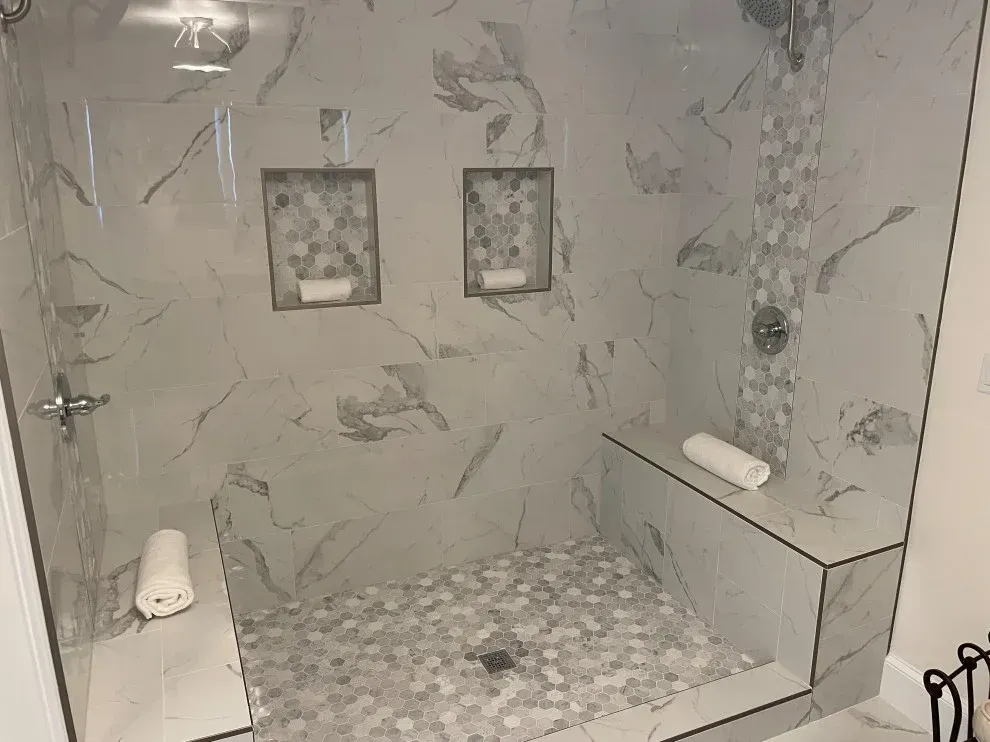
The bathroom water damage repair cost for a small leak addressed early can be relatively modest compared with the expense of extensive restoration. Left unaddressed for months, that same leak can lead to costly repairs involving subfloor replacement, mold remediation, and structural repairs. We see why early attention matters for homeowners across Johns Creek, Alpharetta, Roswell, and throughout North Georgia, where hidden leaks can spread behind walls and beneath floors before visible damage appears.
At Minter Construction & Remodeling, we have been helping North Georgia homeowners with construction and remodeling projects since 2000. Over the years, we have seen how neglected moisture problems can turn a relatively straightforward repair into a much larger project. This post explains how bathroom water damage can progress, which factors affect repair costs, and how to recognize warning signs before the damage becomes more extensive.
In This Post
- How Water Damage Spreads Through Your Bathroom
- Cost Comparison: Early Repairs vs. Delayed Restoration
- Hidden Damage Signs Most Homeowners Miss
- Health and Structural Risks of Waiting
- When to Call a Professional Instead of DIY
How Water Damage Spreads Through Your Bathroom
Water can gradually damage building materials when it repeatedly reaches areas that are not designed to stay wet. A gap in the caulk around your tub, for example, may allow moisture to seep behind the surround with every shower. Over time, moisture can damage drywall, affect the materials supporting tile, and eventually reach wooden subfloors and wall studs. Persistently damp materials can also create conditions that encourage mold growth and wood rot.
The progression often begins with surface moisture and continues to material deterioration, hidden damage, and eventually visible failure. By the time you notice a soft spot in the floor or discoloration along a baseboard, the underlying problem may have been developing for some time. At that stage, the bathroom water damage repair cost may reflect not only the visible damage but also the materials and areas affected behind the surface.
North Georgia's humid climate can make drying more difficult, particularly in bathrooms with limited ventilation. During fall, cooler outdoor temperatures and changing indoor conditions can also affect how homeowners ventilate their homes. Regardless of the season, a leak that repeatedly wets building materials can cause damage if it is not identified and corrected.
Cost Comparison: Early Repairs vs. Delayed Restoration
Understanding the difference between early repairs and extensive restoration helps explain why prompt attention matters. When we assess a moisture problem early, the necessary work may involve repairing a leaking fixture, resealing a joint, replacing a small section of damaged drywall, or correcting another localized issue. The final scope depends on the source of the water and the condition of the surrounding materials.
When damage has spread, the work can become considerably more involved. Repairs may require removing tile, opening walls, replacing saturated drywall, repairing damaged subfloor sections, and addressing mold-affected materials. The affected areas then need to be rebuilt with appropriate materials and installation methods. What began as a limited repair can become part of a larger bathroom renovation.
The difference in cost depends on the extent of the damage, the materials involved, labor requirements, and whether structural repairs or professional mold remediation are necessary. Delaying repairs can increase these costs because additional materials may become damaged while the leak continues. Extensive restoration can also disrupt household routines and leave a bathroom unavailable while the work is completed.
Beyond the direct repair costs, water damage can affect adjacent rooms. Water may travel along floor joists and through wall cavities, potentially damaging bedroom closets, hallway flooring, or ceilings below in two-story homes. Each additional affected area can increase the scope and cost of restoration.
Hidden Damage Signs Most Homeowners Miss
Homeowners may put off addressing bathroom water damage because they do not realize how serious the problem has become. Recognizing potential warning signs can help you decide when to investigate further. Here are some of the signs we encourage homeowners to watch for.
Persistent grout discoloration: Grout that remains dark or discolored after cleaning may indicate trapped moisture, although staining and normal wear can also cause discoloration. If the grout stays damp, deteriorates, or develops recurring discoloration, investigate the cause rather than assuming that cleaning alone will solve the problem.
Gaps in caulk: Caulk that has pulled away from surrounding surfaces can allow water to enter joints. Check the areas where the tub meets the wall, around the shower, and along sink and vanity connections. Inspect the toilet area for signs of leaking as well. Repairing a gap can help prevent water intrusion, but existing moisture damage may require additional work.
Loose or hollow-sounding tiles: Tiles that sound hollow when tapped or feel loose may have lost their bond with the underlying material. Moisture can contribute to this problem, although installation issues and other factors can also be responsible. Loose tiles should be assessed because damaged joints may allow further water intrusion.
Persistent musty odors: Musty smells that continue despite regular cleaning and ventilation may indicate hidden moisture or mold growth. If your bathroom smells musty even when surfaces appear dry, investigate the source instead of masking the odor with cleaning products or air fresheners.
Soft or spongy flooring: Soft spots near the tub, shower, or toilet can indicate that the subfloor has been affected by moisture. When plywood or oriented strand board (OSB) absorbs water repeatedly, it can swell, weaken, or deteriorate. This is a warning sign that warrants prompt professional assessment.
Health and Structural Risks of Waiting
The bathroom water damage repair cost is only one consideration when a leak goes unaddressed. Persistent moisture can also create health and safety concerns. Damp materials can support mold growth, and exposure to mold may cause allergic reactions or respiratory symptoms in some people. Individuals with asthma, allergies, or other sensitivities may be particularly affected.
Structural damage can create additional hazards. A weakened subfloor may become unstable, while deteriorating wall framing can affect the surrounding structure. In severe cases, water damage may affect structural components that support upper floors or other parts of the home. What began as a bathroom leak can therefore become a much broader repair concern.
Persistent moisture can also attract wood-damaging pests. Termites and carpenter ants may be associated with moisture-affected areas, although the presence of damp wood does not automatically mean an infestation will occur. If you notice signs of pests alongside water damage, further inspection may be necessary.
We encourage homeowners in Cumming, Suwanee, Buford, Milton, and surrounding North Georgia communities to investigate warning signs as soon as possible. Addressing a leak early can help limit further damage, reduce disruption, and clarify which repairs are actually needed.
For a bathroom project in Canton, explore our local construction and remodeling services and contact our team to discuss the repairs or renovation your space may need.
When to Call a Professional Instead of DIY
Some bathroom maintenance tasks are well suited to homeowners with the right tools and experience. Replacing surface caulk, cleaning grout, and tightening certain loose fixtures may be manageable when the underlying materials are in good condition. However, some situations call for professional assessment and repair.
If you notice any of the warning signs described above, a professional inspection can help determine the extent of the problem. What appears to be a small surface issue may extend behind walls or beneath floors. Moisture meters and other appropriate diagnostic tools can help identify affected areas and guide the repair plan.
Repairs involving tile removal, opening walls, or replacing subfloor sections generally benefit from professional expertise. These projects require suitable materials for wet environments, proper installation, and attention to the source of the moisture. Repairing the visible damage without correcting the underlying leak can allow the problem to return.
Suspected mold growth may also require professional assessment, especially when it covers a large area, keeps returning, or is associated with hidden water damage. Disturbing affected materials without appropriate precautions can spread contamination. The correct response depends on the extent of the growth and the materials involved.
At Minter Construction & Remodeling, we approach bathroom water damage assessments with the goal of giving homeowners clear information about the condition of their space and the work that may be needed. Sometimes a targeted repair is enough. In other cases, more extensive repairs or a bathroom renovation may be the better solution. We discuss the findings and available options so homeowners can make informed decisions.
We offer 5% off kitchen and bathroom remodeling projects and a 10% veteran discount, and financing is available. Our team serves Johns Creek, Alpharetta, Roswell, Milton, Cumming, Suwanee, Buford, and surrounding North Georgia communities. Since 2000, we have focused on quality craftsmanship, clear communication, and dependable service throughout our projects.
If you have noticed warning signs in your bathroom or want to investigate a potential moisture problem, we encourage you to reach out before the damage spreads. Contact us at (706) 252-1267 to discuss your project and determine the appropriate next steps.
To learn more about our work, visit our services page. You can also find Minter Construction & Remodeling on Google Maps.
About Eric Minter
Eric Minter is the owner of Minter Construction & Remodeling, a Johns Creek, Georgia general contractor and remodeling company established in 2000. Eric and his team serve homeowners throughout Johns Creek and surrounding North Georgia communities, providing kitchen and bathroom remodeling, powder room remodeling, basement remodeling, home additions, decks, roofing, new home construction, and general contracting services. The team focuses on quality craftsmanship, clear communication, and dependable service throughout every project.
You might also like